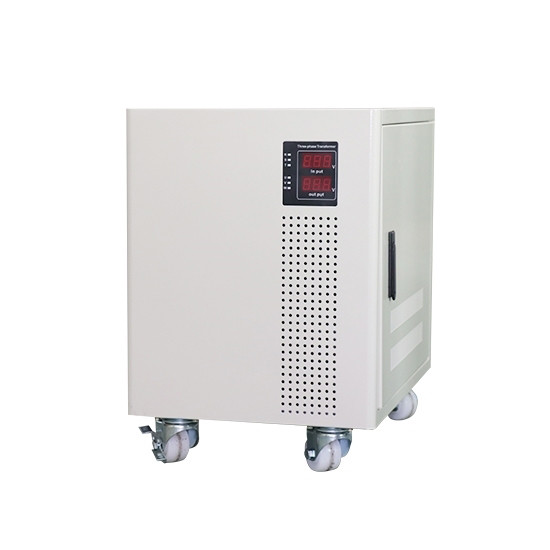

Isolation transformers play an important role in modern electrical systems by providing electrical separation between the input power source and the connected load. Using electromagnetic induction, these transformers transfer electrical energy between separate windings without a direct conductive connection. This technology helps improve electrical safety, reduce the effects of certain electrical disturbances, and support the reliable operation of sensitive equipment in industrial, commercial, and laboratory environments.
As electronic technology continues to advance, the need for stable and dependable power has become increasingly important. Computers, medical equipment, automation systems, testing instruments, and communication devices can be affected by electrical noise and power disturbances. An isolation transformer can help reduce the transfer of certain common-mode electrical noise between circuits, depending on its design and grounding arrangement. This makes it a valuable component in power conditioning strategies for applications where electrical performance matters.
In industrial automation, isolation transformers can support control circuits, measurement instruments, and electronic systems that require electrical separation from the incoming supply. In laboratories and testing facilities, they can help establish suitable power arrangements for electrical experiments and equipment testing. Commercial installations may also use them to support sensitive electronic devices. However, an isolation transformer does not automatically regulate voltage, eliminate every form of electrical interference, or replace proper grounding and protective devices. Its benefits depend on correct system design and installation.
Steptransformer.com offers isolation transformer solutions for a variety of electrical applications. When choosing a model, users should consider rated power capacity, input and output voltage, frequency, insulation requirements, load characteristics, and installation conditions. It is also important to account for startup currents and the electrical characteristics of connected equipment to avoid overloading the transformer.


Avatarını kırp